ACL Re-Tears
Tearing your ACL is tough—but tearing it a second time can be even more devastating. Unfortunately, ACL re-tears are more common than most people realize, especially among active individuals returning to sports or high-demand movement too soon.
Studies show that young athletes who return to play within 12 months of ACL surgery face a significantly higher risk of reinjury. And it’s not always due to poor surgery. Often, it’s because rehab focused too heavily on pain relief or range of motion, and not enough on restoring strength, coordination, and confidence in movement.
The ACL doesn’t just need to heal—it needs to be protected. That means preparing your entire body to support and stabilize your knee under real-life demands. If rehab ends too early or skips critical steps, your risk of re-tearing the ligament increases dramatically.
The Real Purpose of ACL Rehab—Beyond Just Recovery
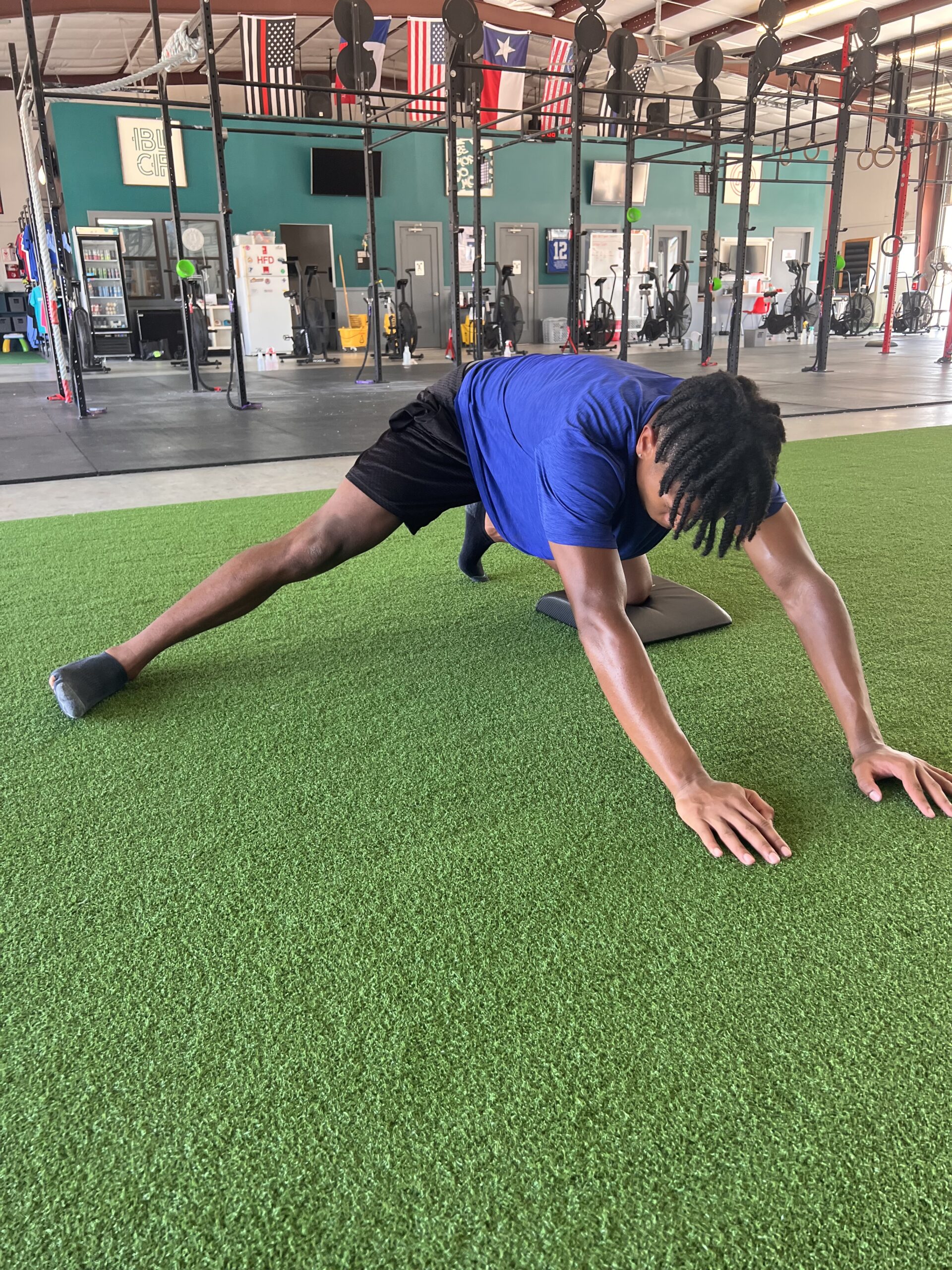
Many people think ACL rehab is just about getting back to walking or reducing swelling—but that’s only the beginning. The true goal of rehab is to retrain your body to move confidently, powerfully, and safely under stress. It’s not just about healing—it’s about rebuilding.
After an ACL injury, your body undergoes more than physical trauma. It also adapts mentally and neurologically. Muscles weaken. Movement patterns shift. Your brain may even start to avoid using the affected leg without you realizing it. That’s why targeted rehab is essential—it doesn’t just fix the knee, it retrains the entire system.
An effective rehab plan focuses on more than quad strength or range of motion. It includes dynamic balance work, jump and landing mechanics, change-of-direction drills, and sport-specific movement—especially in the later phases. This type of training helps you stay strong when it counts and dramatically lowers your risk of re-injury.
Key Phases of Rehab That Protect the ACL Long-Term
Preventing a re-tear doesn’t happen in the first few weeks of rehab—it happens over the long haul. Each phase of ACL rehab plays a crucial role in rebuilding strength, stability, and resilience:
1. Early Phase (0–6 weeks):
Focus is on reducing swelling, restoring knee extension, and beginning gentle activation of the quads and hamstrings. While important, this phase is just the foundation.
2. Strength & Control Phase (6–12 weeks):
As pain subsides, targeted strength training begins. You’ll work on muscle symmetry, single-leg control, and joint stability to restore baseline function.
3. Neuromuscular Training Phase (3–6 months):
This phase emphasizes coordination, balance, and movement mechanics—especially jumping, landing, and cutting. It helps the body relearn how to move safely in sport-specific scenarios.
4. Return-to-Play Phase (6+ months):
This is where many athletes get ahead of themselves. A proper return-to-play program uses objective testing—such as hop tests, strength ratios, and movement analysis—to confirm you’re ready, not just eager.
Skipping any of these phases or rushing through them increases your chances of re-tearing the ACL. A structured, individualized program is key to long-term protection.
Common Mistakes That Can Lead to Re-Tear
Even with good intentions, small missteps during the rehab process can have major consequences. Some of the most common mistakes that lead to ACL re-tears include:
Stopping rehab too early: Many people leave physical therapy once the pain is gone or daily movement feels “normal.” But strength, balance, and agility take longer to rebuild—especially for athletes or active adults.
Skipping neuromuscular training: ACL injuries often involve more than just the ligament. Without retraining the brain-body connection, your movement patterns remain vulnerable—even if your knee feels stable.
Returning to sport without objective testing: Feeling ready isn’t the same as being ready. If you haven’t been tested for strength symmetry, hop performance, or cutting mechanics, you’re likely not fully prepared for high-level demands.
Ignoring the rest of the body: Your hips, core, and ankles all play a role in knee stability. Weakness or compensation in these areas can place extra stress on the ACL during dynamic movement.
Rehab is about more than healing—it’s about preparing for what’s next. Skipping steps now can cost you later.
How Movement Evo Helps You Stay Strong After ACL Recovery
At Movement Evo in Cypress, ACL rehab doesn’t stop when the swelling goes down. We guide you through every phase of recovery—from early healing to high-level return-to-sport conditioning—with a focus on long-term joint protection.
Each rehab plan is one-on-one and tailored to your specific needs. We combine strength training, neuromuscular re-education, and real-time movement analysis to make sure you’re not just pain-free, but truly ready to perform again. You’ll know exactly where you stand with objective testing and performance benchmarks—not guesswork.
Whether you’re returning to competitive sports or simply want to feel confident in your body again, our mission is to help you stay strong, avoid setbacks, and move forward with confidence.
Ready to Reinforce Your Recovery?
If you’ve worked hard to come back from an ACL tear, don’t leave your progress to chance. Movement Evo is here to help you complete the journey—stronger, safer, and more confident than before.
Let’s make sure this is the last time you deal with ACL recovery. Schedule your personalized rehab session in Cypress today.
Recent Comments